

Skipping your AC’s annual tune-up doesn’t save money, it just moves the cost to later, usually as a bigger repair bill or a shorter system lifespan. Most homeowners assume a tune-up is a quick glance at the outdoor unit, but a real inspection covers roughly a dozen specific points, several of which catch problems long before they turn into a no-cool call in the middle of a Napa summer.
| Quick Take A professional AC tune-up covers about a dozen specific checks, not just a quick look at the unit. Skipping it commonly shortens equipment life and raises energy bills. Many manufacturers require documented annual maintenance to keep the warranty valid. |
What’s Actually on a Professional AC Maintenance Checklist
A tune-up is more than a glance at the outdoor unit. Here’s what a technician actually checks, and why each item matters:
- Refrigerant level: checked and topped off if low, since low refrigerant strains the compressor and can eventually lead to a full system replacement instead of a simple recharge
- Coils: indoor and outdoor coils cleaned, since dirty coils cut efficiency fast and force the system to run longer to reach the same set temperature
- Filter: replaced or cleaned, and airflow checked at the return and supply vents to confirm the system is moving the air it’s designed to move
- Electrical connections: tightened and tested, since loose or corroded connections are one of the most common points of failure in an AC system
- Condensate drain: cleared to prevent water damage and mold growth around the indoor unit, especially important in a home with a finished space near the air handler
- Thermostat calibration: checked against actual room temperature, since a thermostat reading even a few degrees off can quietly inflate a monthly energy bill
- Moving parts: motor and blower lubricated where applicable, reducing strain and noise from friction as the system ages
- Capacitor and contactor: tested under load, since a weakening capacitor is one of the most frequent causes of a system that hums but won’t start
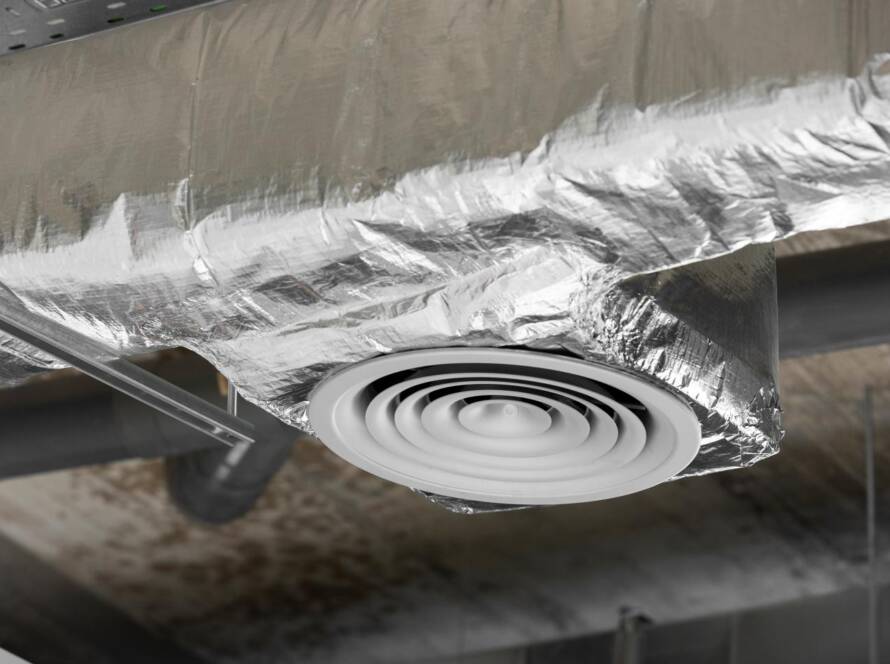
- Ductwork and connections: visually inspected near the unit for obvious gaps or disconnections that would let conditioned air escape before it reaches your rooms
- Safety controls: verified to confirm the system shuts down correctly in an overheating or low-refrigerant scenario, protecting the compressor from damage
Why Skipping Maintenance Costs More Than the Visit
A neglected system doesn’t fail all at once, it degrades. Dirty coils and low refrigerant make the compressor work harder for the same result, which shows up as higher bills months before anything actually breaks. By the time a homeowner notices weak cooling or a system that runs constantly, the underlying strain has usually been building for a full season or longer.
That gradual decline is also what makes skipped maintenance expensive in a way that’s easy to underestimate. A tune-up that costs a modest, predictable amount every spring is far cheaper than the compressor replacement or full system failure that often follows a few years of neglect, and it’s the difference between a planned expense and an emergency one.
| Factor | With Annual Maintenance | Without |
| Typical lifespan | 12 to 15 years | Often several years shorter |
| Efficiency over time | Stays close to rated efficiency | Drops as coils and filters clog |
| Repair frequency | Occasional, usually caught early | More frequent, often bigger failures |
| Manufacturer warranty | Typically stays valid with documented service | Can be voided without proof of maintenance |
How Often Should You Service Your AC?
Once a year is the standard recommendation, and timing matters. In Napa, scheduling maintenance in spring, before the first real heat wave, means any issue gets caught while the system is idle, not while it’s straining to keep a house cool in August. Homes with pets, heavy dust, or a system that runs nearly year round can benefit from a mid-year filter check between the annual professional visits.
What Homeowners Can Check Between Professional Visits
A yearly tune-up doesn’t mean there’s nothing to do in between. A few simple checks can catch small issues before they grow into something that needs a service call:
- Replace or clean the air filter every 1 to 3 months, more often with pets or during heavy pollen season
- Keep the outdoor unit clear of leaves, grass clippings, and overgrown landscaping within about two feet
- Listen for new noises, rattling, or a burning smell, which are all reasons to call sooner rather than waiting for the next scheduled visit
- Check that vents throughout the house aren’t blocked by furniture or rugs, which restricts airflow the same way a dirty filter does
What to Watch for Between Visits
- Weaker airflow than usual at the vents
- Unusual noise, rattling, or a burning smell when the system runs
- Rising energy bills without any real change in how the home is used
- Ice forming on the indoor or outdoor unit
Frequently Asked Questions
How long does an AC tune-up take?
Typically 60 to 90 minutes for a single system, depending on access and what the technician finds along the way.
Does AC maintenance really extend the life of my system?
Yes. Clean coils, correct refrigerant levels, and tightened connections reduce the strain that leads to early compressor failure.
Will skipping maintenance void my AC’s warranty?
Possibly. Many manufacturers require documented annual service to keep the warranty valid, it’s worth checking your specific unit’s terms.
When is the best time of year to schedule AC maintenance in Napa?
Spring, before the first real heat wave, so any issues get caught before the system is under summer load.
Can I do my own AC maintenance instead of hiring a technician?
Homeowners can handle filter changes and basic outdoor unit upkeep, but refrigerant checks, electrical testing, and safety control verification require a licensed technician with the right tools and training.
| Ready to Get Started? Due for your AC tune-up? Schedule your visit before the next heat wave hits. Contact Us |